


Gas Furnace Safety in Allentown, PA: A Breath of Fresh Air for Homeowners

Why Gas Furnace Safety Matters in Allentown, PA
Gas furnace safety allentown pa is a critical concern, especially during cold months. Allentown's older homes can increase risks like carbon monoxide leaks, gas leaks, and fire hazards. Knowing how to keep your family safe is essential, as nearly half of all heating fires occur in winter, and faulty furnaces are a leading cause of carbon monoxide poisoning.
Quick Safety Checklist for Allentown Homeowners:
- Install carbon monoxide detectors on every level of your home and test them monthly
- Schedule annual professional inspections before each heating season
- Watch for warning signs: yellow flames, soot buildup, unusual odors, or strange noises
- Know the emergency protocol: evacuate immediately if you smell gas (rotten egg odor) and call 911 from a safe location
- Keep vents clear of snow, debris, and obstructions, especially after winter storms
- Change your furnace filter every 1-2 months during heating season
For comprehensive HVAC guidance, visit our HVAC Company Allentown PA page, or schedule your Furnace Service Allentown PA appointment today.
This guide covers everything from recognizing danger signs to understanding responsibilities and replacement options.
Understanding the Primary Risks of Gas Furnaces
While your gas furnace works quietly to keep your Allentown home warm, understanding its risks is crucial for safety. The three main concerns are carbon monoxide poisoning, natural gas leaks, and fire hazards. These risks are heightened by issues like incomplete combustion, cracked heat exchangers, and older systems in many Allentown homes.
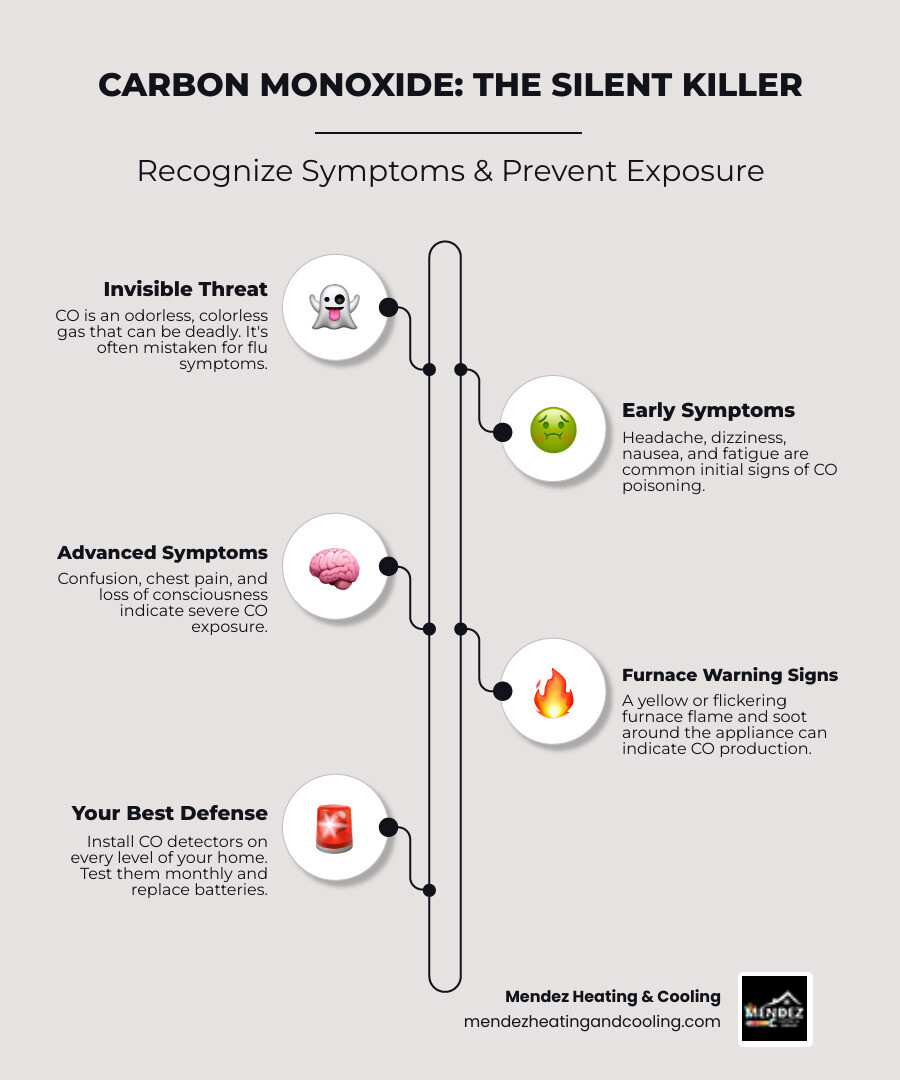
Carbon monoxide (CO) is the "silent killer" because you can't see, smell, or taste it. A properly functioning furnace vents the small amount of CO it produces safely outside. The problem begins when the furnace isn't burning fuel efficiently. Incomplete combustion from a dirty burner, blocked vent, or poor air supply dramatically increases CO production. A malfunctioning unit can pump dangerous levels into your home, which is why gas furnace safety allentown pa is a top priority. For prevention strategies, see our guide on how to Prevent Carbon Monoxide Leaks From Furnace.
Natural gas leaks are another serious danger. Utility companies add a chemical (Mercaptan) to give gas a "rotten egg" smell as a warning. However, slow leaks or those in unfrequented areas can go unnoticed. Leaks can occur on inside meters, a relevant concern for older Allentown homes. The age and condition of your gas meter and indoor lines significantly impact safety.
Fire hazards are also a major concern. Heating equipment is the second-leading cause of home fires, with nearly half occurring in December, January, and February. Poor maintenance, blocked vents, or electrical issues can all cause a fire.
A cracked heat exchanger is one of the most dangerous furnace problems. This component separates combustion gases from your home's air. When it cracks, carbon monoxide can leak into your living space. While modern furnaces have automatic safety shutoffs, older models in Allentown homes may lack these features, making regular maintenance critical.
Recognizing Signs of an Unsafe Furnace
Your furnace often provides warning signs when something is wrong. Knowing what to look for can help you catch problems before they become dangerous.

The color of your flame is a key indicator. A healthy flame is blue. A yellow, orange, or flickering flame indicates incomplete combustion and the production of carbon monoxide. This requires immediate professional attention.
Soot or dark streaks around your furnace or vents mean exhaust gases aren't venting properly. These gases may contain CO that's entering your home. Any discoloration or staining near the burner or vents needs inspection.
Excessive moisture on windows and walls can signal a ventilation problem. While some winter condensation is normal, a sudden increase could mean combustion byproducts, including CO, are not venting correctly.
Strange noises like persistent banging, humming, squealing, or grinding indicate mechanical problems that can impact safety and efficiency.
Stuffy air or physical symptoms are the most concerning signs. If your family or pets experience headaches, nausea, or flu-like symptoms that improve when you leave the house, it could be carbon monoxide poisoning. These symptoms are often mistaken for the flu, making them particularly dangerous.
Your First Line of Defense: CO and Gas Detectors
Detectors are essential for gas furnace safety allentown pa, acting as a security system against invisible threats.
Carbon monoxide detectors save lives. They monitor CO levels and sound an alarm when they become dangerous. Install one on every level of your home, especially near sleeping areas and the utility room. Test them monthly, change batteries every six months, and replace the entire unit every five years or as recommended by the manufacturer.
The "rotten egg" smell (Mercaptan) or a hissing sound are primary alerts for a gas leak. Natural gas detectors offer an additional layer of protection by measuring methane levels, which is especially useful for those with a diminished sense of smell or for leaks in less-frequented areas.
If you suspect a gas leak or carbon monoxide problem, follow these steps immediately:
- Evacuate everyone immediately—including pets.
- Leave doors and windows as they are.
- Don't use any electronics while inside, including light switches, phones, or garage door openers. A tiny spark could ignite leaked gas.
- Call 911 or your utility company once you're safely away from the house (at least 300 feet). UGI's emergency number is 800-276-2722.
- Stay outside until emergency responders confirm it's safe to return.
When in doubt, get out and call for help.
The Ultimate Gas Furnace Safety Allentown PA Checklist
Keeping your family safe during Allentown winters is a partnership between you and your HVAC professional. Think of gas furnace safety allentown pa as a year-round commitment.
The most important step is scheduling annual professional maintenance each fall. A qualified technician can catch small problems before they become dangerous, spotting issues like hairline cracks in a heat exchanger, blocked vents, and faulty safety controls.
Homeowner responsibilities are also crucial. Keep the area around your furnace clear of flammable items like paint, cleaning supplies, and boxes. Excessive dust and lint can also create fire hazards.
Proper ventilation is vital, especially in winter. Vent pipes can be blocked by snow or ice, causing your furnace to shut down or pull exhaust gases back into your home. Check that all exterior vents are clear after every snowstorm.
Change your air filter regularly. A clogged filter restricts airflow, causing the system to overheat and creating a safety issue. It also increases energy bills. Change non-pleated filters every 1-2 months and pleated filters every 2-4 months during the heating season.
For a comprehensive look at what professional maintenance includes, visit our Furnace Service Allentown PA page.
Key Maintenance for Gas Furnace Safety in Allentown, PA
Our NATE-certified technicians perform a comprehensive safety and efficiency inspection covering every critical component.
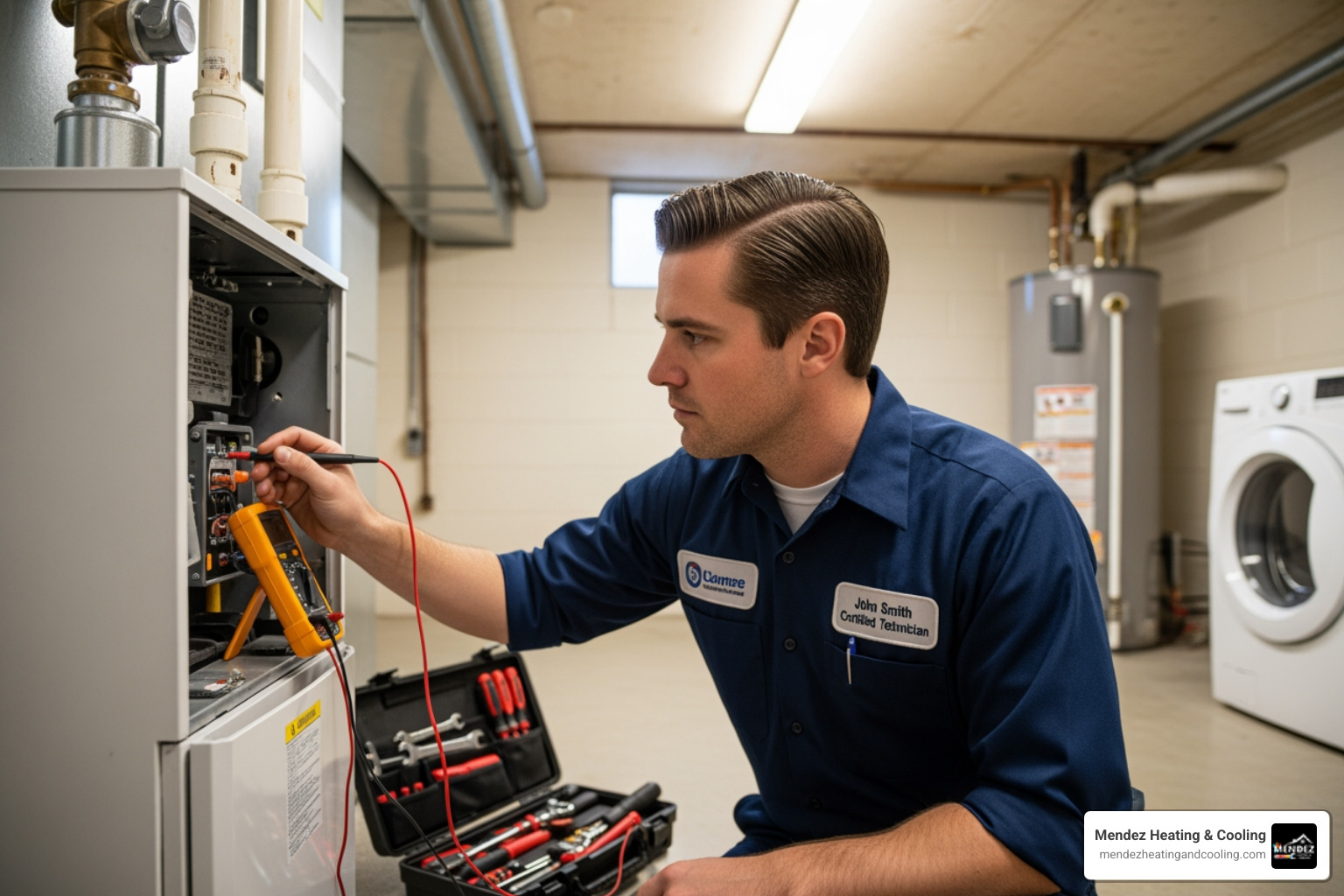
- Inspecting the vent system: We inspect the flue pipe, chimney, and outdoor vents for leaks, blockages, or corrosion that could allow carbon monoxide to enter your home.
- Cleaning and inspecting the blower: We clean and inspect the blower motor, fan, and belts to ensure it runs quietly and distributes heat efficiently.
- Heat exchanger inspection: This is the most critical safety check. We inspect the heat exchanger for cracks or corrosion that could allow carbon monoxide to mix with your home's air.
- Testing safety controls: We test all safety controls, including the high-limit switch and automatic shutoffs, to ensure they function correctly. We also check that the front-panel door is secure to prevent CO risks.
- Verifying thermostat operation: We test and calibrate the thermostat to ensure it communicates correctly with the furnace, preventing short-cycling and unnecessary operation.
- Evaluating gas pressure and burner operation: We inspect and clean the pilot and burners, check the gas valve, measure gas pressure, and inspect fuel lines to ensure safe and efficient fuel combustion.
Annual service provides peace of mind, lower energy bills, fewer breakdowns, and a longer lifespan for your furnace. To learn more, visit our Gas Furnace Service Allentown PA page.
Homeowner vs. Utility Company: Who is Responsible for What?
Knowing who is responsible for which parts of your gas system is key to gas furnace safety allentown pa.
As a homeowner, your responsibility begins at the gas meter outlet. This includes:
- All gas appliances: Furnace, water heater, stove, etc.
- Internal gas piping: All lines running from the meter to your appliances.
- Appliance maintenance: Regular filter changes, keeping the area clear, and scheduling annual professional inspections.
- CO detectors: Installation and maintenance.
- Digging safety: Calling 811 a few days before any digging project on your property to have utility lines marked.
UGI, the local gas utility, is responsible for:
- The gas meter and service lines leading to it.
- Main gas lines under public areas.
- Emergency response for suspected leaks at the meter or in their infrastructure.
- Meter relocation: UGI has been moving indoor meters outside for safety. If your home has an inside meter, they may contact you.
- Excess Flow Valves (EFVs): UGI can install these safety devices on your service line upon request to reduce gas flow if the line is damaged.
Understanding this division of responsibility is key to maintaining safety and keeping our community safe.
Emergency Protocol: What to Do if You Suspect a Leak
For gas furnace safety allentown pa, knowing the emergency protocol for a gas leak or carbon monoxide alarm is life-saving. These situations require immediate, decisive action.
If you smell rotten eggs or hear hissing, you may have a natural gas leak. Your first and only priority is getting everyone out—fast.
- Evacuate everyone immediately. Don't stop for belongings. Move a safe distance away from the home (at least 300 feet).
- Do not touch any electrical devices. This includes light switches, phones, or garage door openers. A tiny spark can ignite the gas and cause an explosion.
- From a safe location, call 911.
- Do not re-enter your home until emergency responders or UGI technicians declare it safe.
If your CO detector sounds, you must also act quickly.
- Evacuate immediately, even if you feel fine. Symptoms develop quickly.
- If possible, open windows on your way out.
- If anyone shows symptoms of CO poisoning (headaches, dizziness, nausea), call 911 and seek immediate medical attention. Inform them you suspect CO exposure.
- After your home is cleared, call a qualified HVAC professional to find and fix the source of the leak. Do not use the furnace until it has been inspected and repaired.
For any HVAC emergencies or concerns in Allentown, PA, our team at Mendez Heating & Cooling is here for you. Visit our HVAC Company Allentown PA page for more information.
After the Alarm: Next Steps for a Safe Home

Once the immediate danger has passed and your home is cleared, there are crucial next steps to ensure your home is truly safe.
A professional inspection is essential after any gas leak or CO alarm. A qualified technician must examine your furnace before you use it again. They can identify hidden issues like hairline cracks in a heat exchanger that caused the incident.
Keep the furnace and other appliances off. A "red tag" from an inspector means the equipment is unsafe and must be repaired by a licensed contractor and re-inspected before use.
We find and fix the root cause, whether it's a cracked heat exchanger, a blocked vent, or a loose connection, to ensure the problem is resolved permanently. Always get documentation of repairs. This paperwork may be required to restore gas service and is valuable for your records.
These follow-up steps are an essential part of maintaining gas furnace safety allentown pa. If you need expert furnace repairs after an emergency, our team at Mendez Heating & Cooling is ready to help. Visit our Furnace Repair Allentown PA page to schedule an inspection.
Upgrading for Safety: When to Repair or Replace Your Furnace
Deciding whether to repair or replace your furnace is a major decision. When it comes to gas furnace safety allentown pa, replacement is often the safest and smartest choice for an aging system.
Consider these factors when making your decision:
- Age of furnace: A well-maintained gas furnace lasts 15-20 years. If yours is older, it's on borrowed time. Older units are less efficient and lack the advanced safety features of modern furnaces.
- Frequent repairs: If you're calling for service every year or face a major repair like a cracked heat exchanger, it's time to consider replacement. Investing in an aging system is often not cost-effective compared to the reliability of a new unit.
- Rising energy bills: An inefficient furnace works harder, increasing wear and tear and leading to higher utility bills. This strain can create safety issues over time.
- Safety concerns: A history of CO leaks, a cracked heat exchanger, or recurring ignition problems are red flags. Your family's safety is paramount, and newer furnaces offer superior protection that older models lack.
When you're ready to explore your replacement options, we're here to guide you. Check out our Furnace Installation Allentown PA page to learn more about upgrading to a safer, more efficient heating system.
Modern Features for Improved Gas Furnace Safety in Allentown, PA
Today's gas furnaces are significantly safer than older models. An upgrade provides standard protective features that make maintaining gas furnace safety allentown pa easier than ever.
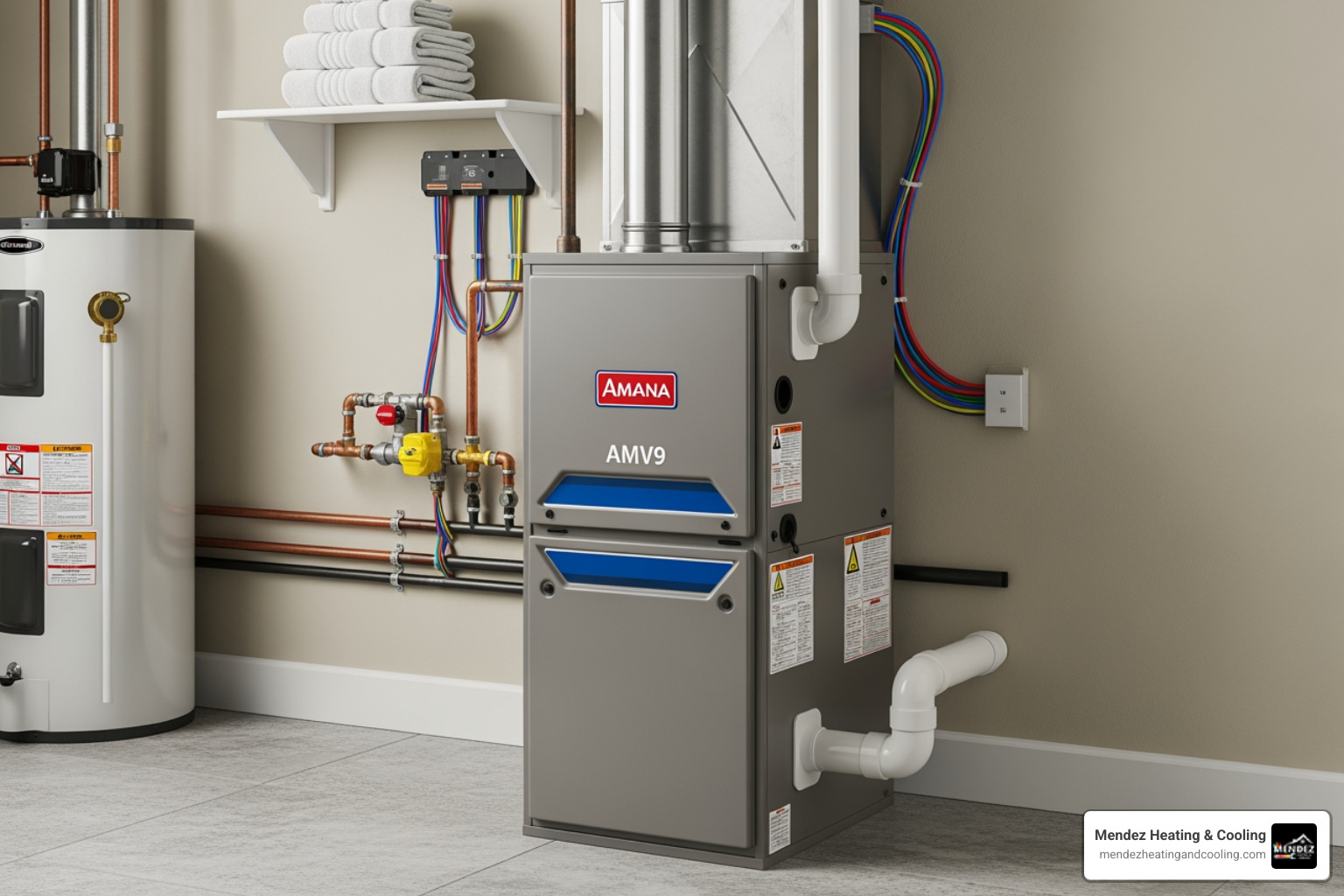
- Automatic shutoff switches: These sensors monitor for overheating, blocked vents, or incomplete combustion. If a problem is detected, the system shuts down automatically to prevent CO buildup or fire hazards.
- High-efficiency sealed combustion: Unlike older furnaces that use indoor air, modern systems use a sealed process. They pull air from outside and exhaust gases through dedicated pipes, isolating the combustion process from your indoor air. This design virtually eliminates the risk of CO leaks from the furnace and improves efficiency.
- Advanced heat exchanger designs: Newer furnaces use stronger, more durable materials that resist cracking and corrosion, making them far less likely to develop dangerous leaks.
- Smart thermostats: These can contribute to safety by monitoring furnace performance and alerting you to potential problems before they become hazards. Some integrate with CO detectors for a complete safety network.
When you choose a modern, high-efficiency gas furnace, you're investing in comfort, lower utility bills, and the latest safety technology. We're proud to offer reliable options like Amana gas furnaces. Learn more about these dependable units on our Amana Gas Furnace Allentown PA page.
Conclusion
A well-maintained gas furnace is key to your family's safety and comfort during Allentown winters. This guide has covered the essentials of gas furnace safety allentown pa, from understanding risks like CO and gas leaks to recognizing warning signs.
The path to a safer home is clear: install CO detectors, schedule annual inspections, change filters, keep vents clear, and know the emergency protocols. These steps are the foundation of home safety. We've also clarified homeowner and utility company responsibilities, helping you stay proactive with maintenance and know when to call for help.
Crucially, remember the emergency protocol: evacuate immediately, avoid sparks, and call for help from a safe distance. When it's time to replace your furnace, modern high-efficiency models offer superior safety features like automatic shutoffs and sealed combustion.
Proactive maintenance provides peace of mind, ensuring your family breathes safe air in a warm, secure home. We are here to partner with you in that mission, bringing experience and care to every service call.
Don't wait for a problem to arise. Contact us for your annual furnace service in Allentown, PA today, and let's make sure this heating season is your safest and most comfortable yet. Your family deserves that peace of mind—and we're here to deliver it.
Recent Blogs


Customer Testimonials


.webp)


